Back to Will It Pickle?

Size comparison

Compare backyard court sizes before you pick a project

The right court is usually the one that actually fits the property without forcing bad tradeoffs. Use this page to compare the typical footprints for pickleball, tennis, basketball, and multi-sport layouts, then check the best candidate against your actual lot in the planner.

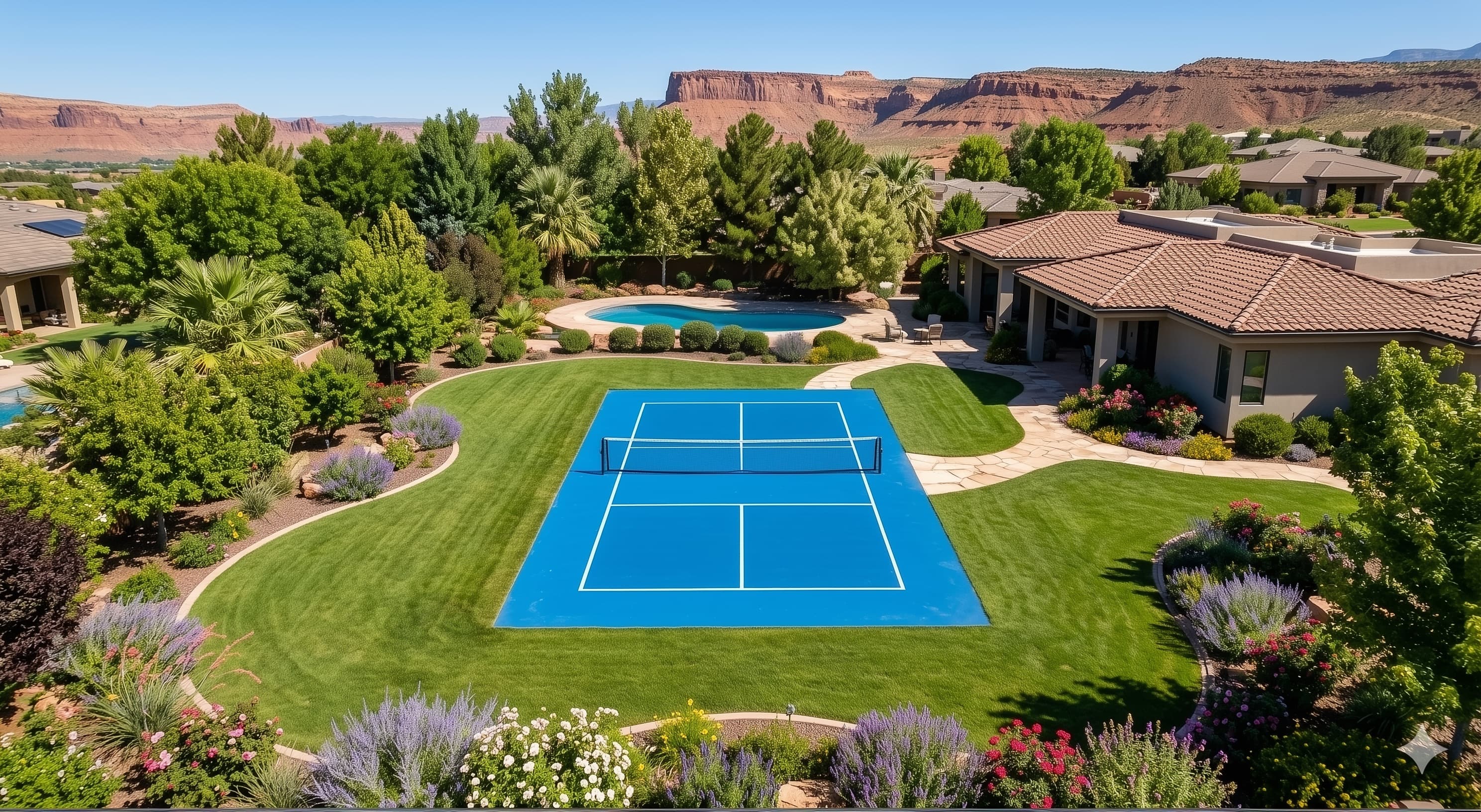
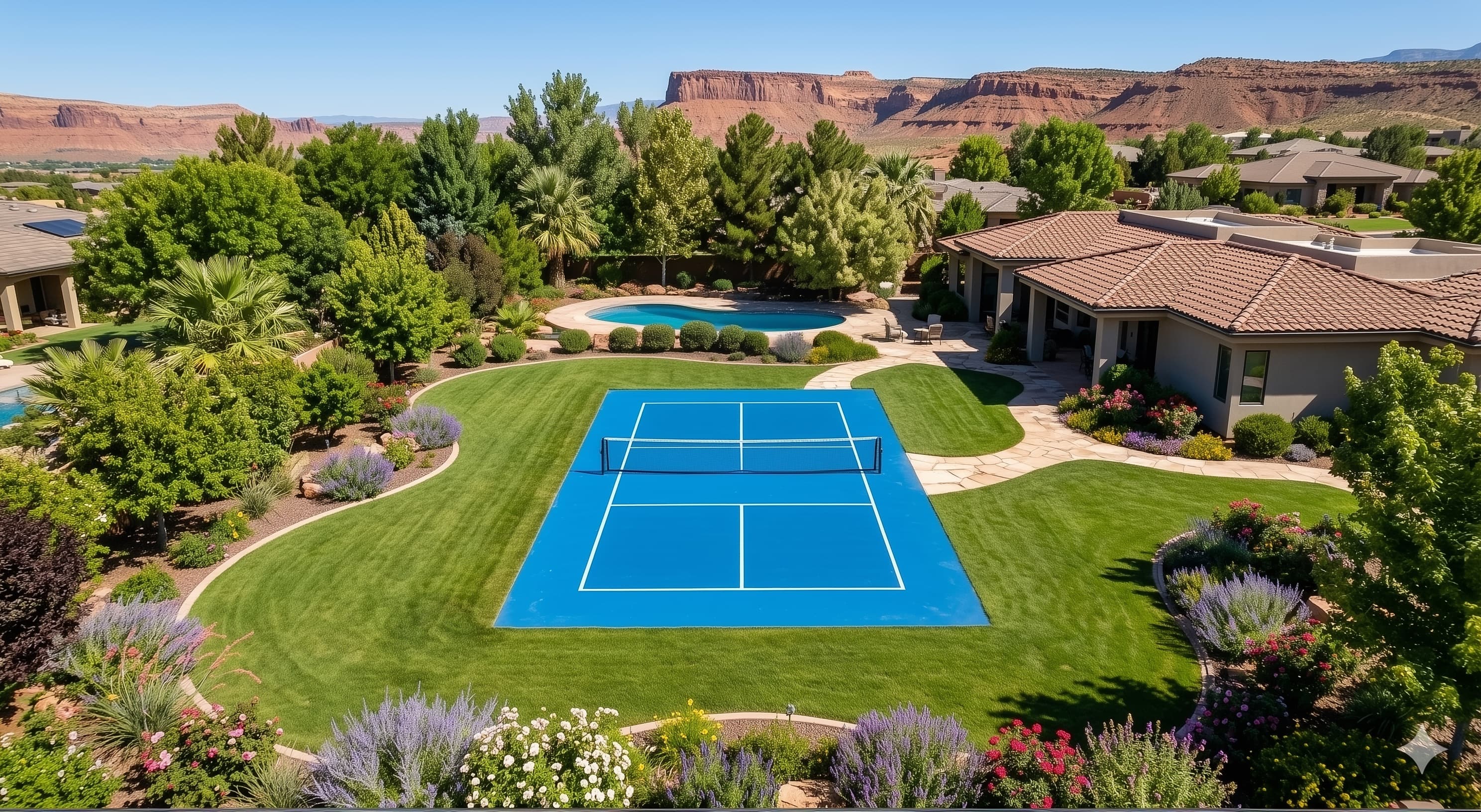
Satellite-style image of a backyard pickleball court layout.

Pickleball court sizes

Authority: USA Pickleball

26 x 50 ft to 34 x 64 ft

Pickleball is one of the most achievable dedicated court projects for a normal backyard, especially when you compare preferred and compact layouts.

Best when pickleball is the main priority and you want the smallest dedicated court option.

Read detailed dimensions
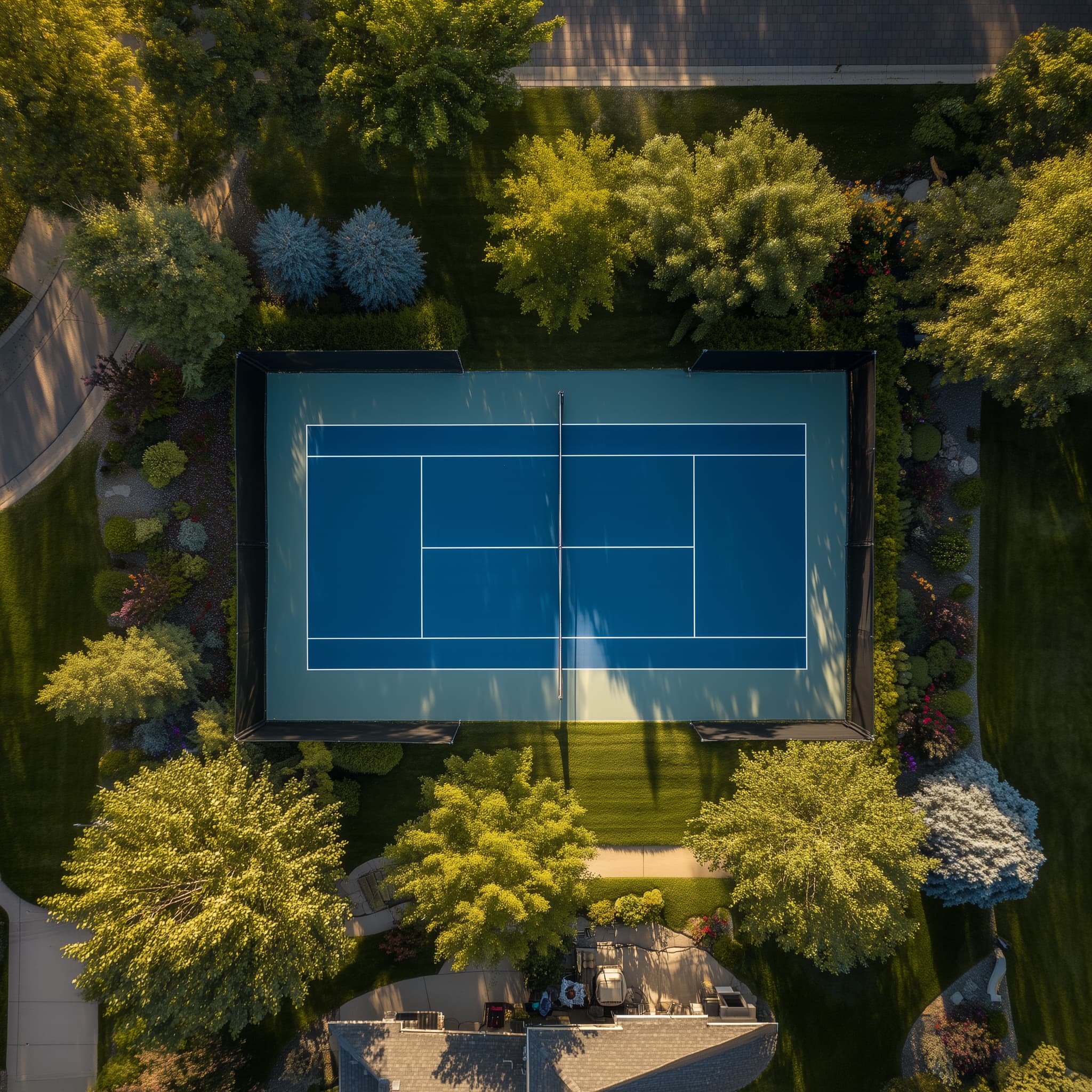
Rendered image of a tennis court layout on a property.

Tennis court sizes

Authority: USTA

48 x 102 ft to 60 x 120 ft

Tennis requires the most space of the court types on this site and often rules a project in or out quickly.

Best for larger lots where a full tennis footprint is realistic.

Read detailed dimensions
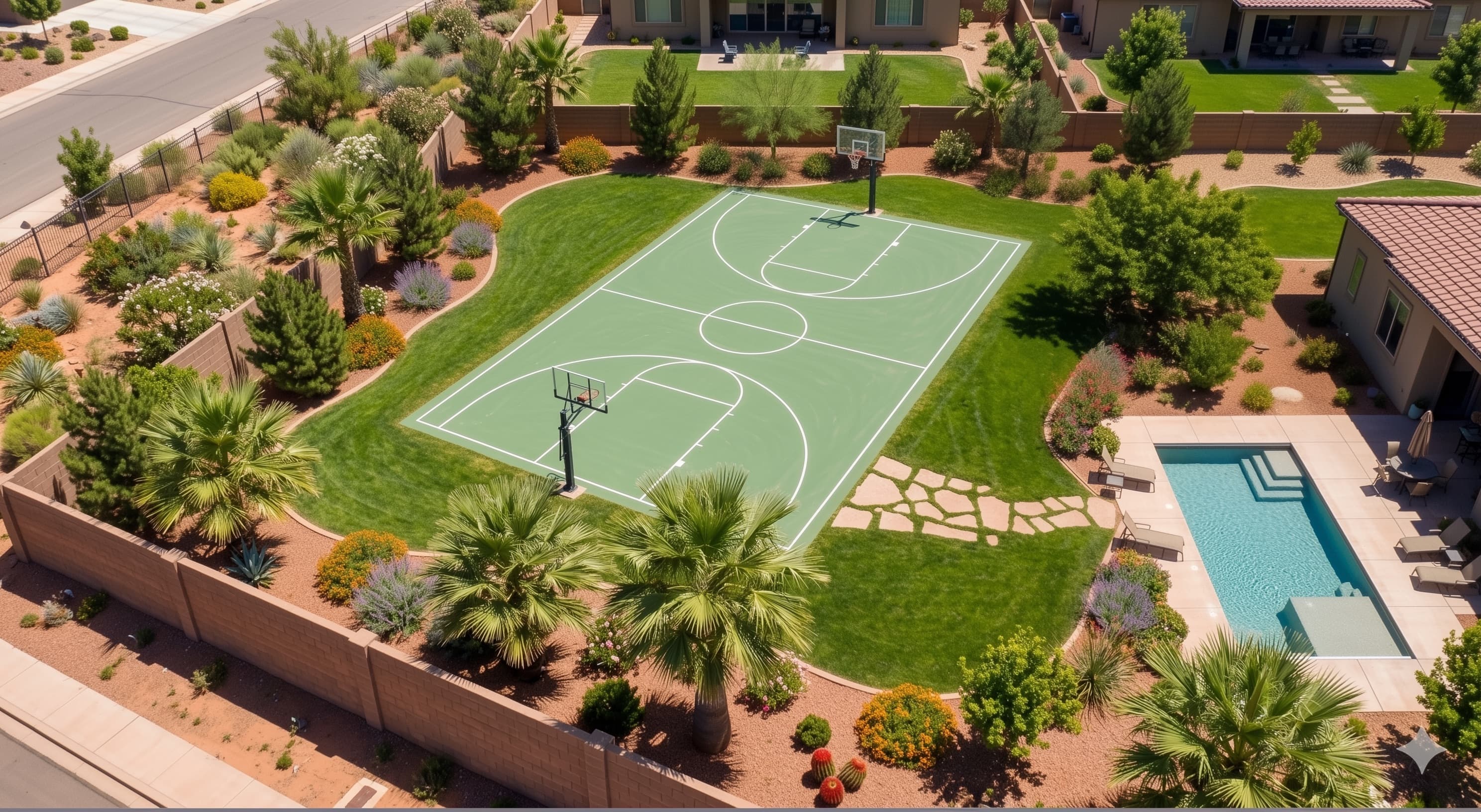
Satellite-style image of a backyard basketball court overlay.

Basketball court sizes

Authority: NBA

50 x 32 ft to 50 x 94 ft

Basketball spans a wide range, from a compact shooting area to a full court, which makes it useful for many lot sizes.

Best when you want a flexible sports surface and are choosing between compact, half-court, and full-court options.

Read detailed dimensions
Backyard sports court planning image used for a multi-sport court guide.

Multi-sport court sizes

Authority: Mixed by sport

30 x 60 ft to 60 x 120 ft

Multi-sport courts are planning compromises built around one primary sport, then adapted for a second use such as pickleball plus basketball or tennis plus pickleball.

Best when the household wants one court surface to support more than one sport and understands that one use has to lead.

Read detailed dimensions

Check the actual lot

Run the best candidate against your backyard before you commit to it.

Once you know which sport has the most realistic footprint, load your own property and compare it against the real shape, setbacks, and open space you already have.

We only use your address to load your property on the map.

How to use this

Start with the sport, then verify the actual lot

1. Pick the realistic footprint

Compare the size ranges first. Tennis is usually the hardest fit, pickleball is often the most achievable dedicated court, basketball spans the widest range of practical layouts, and multi-sport works best when one use clearly leads.

2. Check conflicts on the map

A rectangle that works on paper can still fail on the property because of lot geometry, fences, trees, patios, or retaining walls.

3. Decide if the tradeoff is worth it

The best project is not always the biggest one. A smaller court that fits cleanly may be a better outcome than pushing a larger layout that crowds the yard.

Verify your yard

See which court actually fits your property, not just the dimension chart.

Use the planner to move from broad size comparison into a real property check before builder pricing or design tradeoffs enter the picture.

We only use your address to load your property on the map.